Microneedling Exosomes vs PRP: Differences | Roseville
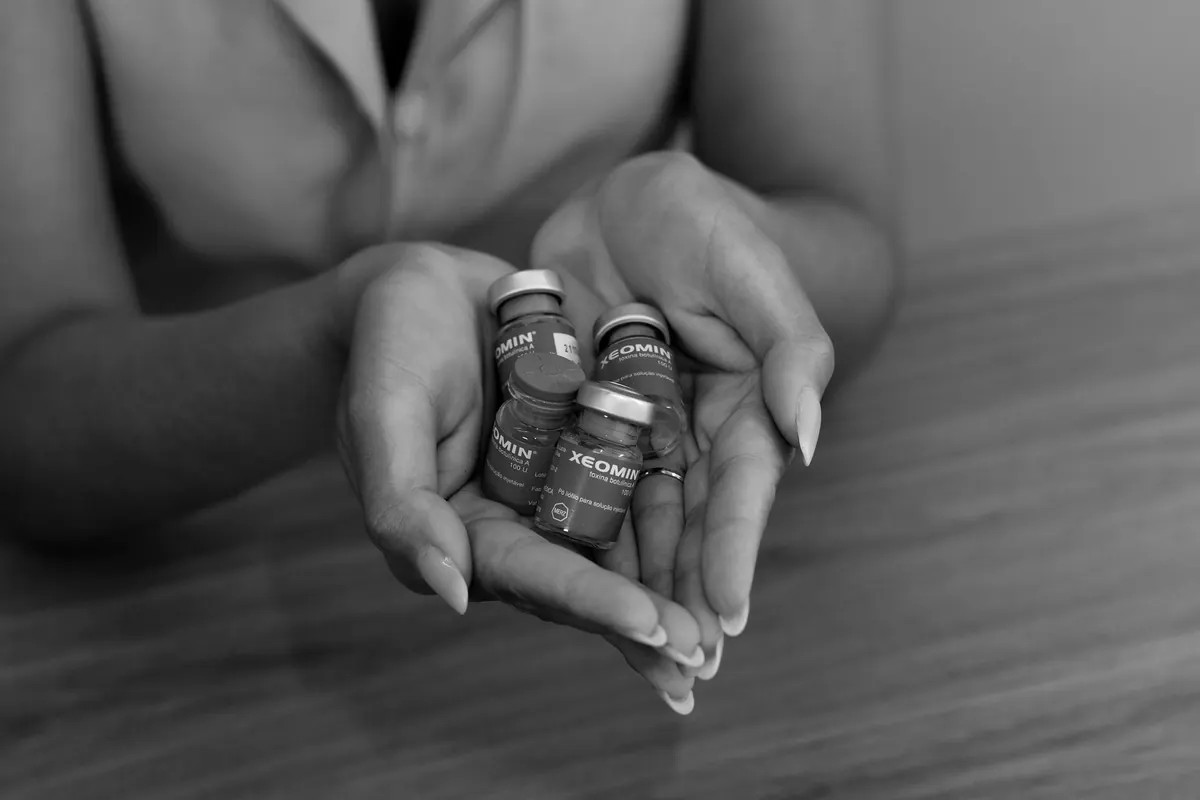
When choosing a regenerative skin treatment to repair texture, fine lines, or sun damage, many clients find themselves weighing two popular biostimulatory options: platelet-rich plasma (PRP) and stem cell-derived exosomes. Both modalities rely on microneedling to create microscopic micro-channels in the dermis, delivering active signaling molecules directly where collagen synthesis takes place.
When comparing microneedling with exosomes vs PRP, the primary difference lies in source, concentration, and molecular stability. PRP uses autologous growth factors isolated from your own blood draw, whereas exosome therapy utilizes purified, standardized extracellular vesicles containing thousands of growth factors, lipids, and microRNAs without requiring a blood draw. At Marie Shelley Laser & MedSpa in Roseville, we offer advanced cellular skin rejuvenation tailored to your skin's healing capacity and long-term aesthetic goals.
What Is the Difference Between Microneedling with Exosomes vs PRP?
The core difference between microneedling with exosomes vs PRP is that PRP relies on autologous platelets drawn from your own blood, while exosomes are lab-purified messenger vesicles packed with standardized concentrations of growth factors and signaling proteins. While PRP healing capacity depends on your individual age and health, exosome therapy delivers consistent, potent cellular signals without a needle stick.
To understand why this distinction matters, it helps to examine how each substance interacts with the skin during a microneedling session. Traditional microneedling—also known as collagen induction therapy—uses micro-fine needles to puncture the stratum corneum and papillary dermis. These controlled micro-injuries initiate a natural wound-healing cascade, stimulating fibroblasts to produce fresh collagen and elastin. However, the topical medium applied during or immediately after microneedling determines how effectively that cascade is amplified.
Platelet-Rich Plasma (PRP) is created by drawing a sample of your peripheral blood, placing it in a centrifuge, and spinning it to isolate the plasma layer rich in blood platelets. When topically applied over micro-channeled skin, platelets degranulate and release endogenous growth factors—such as platelet-derived growth factor (PDGF), transforming growth factor-beta (TGF-β), and vascular endothelial growth factor (VEGF). Because PRP comes directly from your body, it carries zero risk of foreign tissue rejection. However, the concentration and potency of growth factors in PRP directly mirror your biological age, hydration levels, systemic inflammation, stress, and underlying health status.
Exosomes, by contrast, are nanoscale extracellular vesicles (typically 30 to 150 nanometers in diameter) harvested from controlled human stem cell cultures in certified biotechnology laboratories. Exosomes are not living cells themselves; rather, they are cellular envelope messengers filled with microRNA, messenger RNA, cytokines, and over 1,000 signaling proteins. When delivered through microneedling micro-channels, exosomes communicate directly with recipient skin cells, instructing depleted fibroblasts to accelerate matrix repair, suppress excessive inflammatory cytokines, and stimulate rapid cell turnover. Because they are meticulously concentrated and standardized, exosome topicals supply a uniform molecular payload regardless of the client's age or metabolic baseline.
How Do Exosomes and PRP Compare for Collagen Production and Skin Recovery?
Exosomes generally outperform PRP in collagen stimulation potency and recovery speed because they contain up to 100 times higher concentrations of growth factors alongside anti-inflammatory microRNAs. While PRP requires 48 to 72 hours for acute redness to subside, exosome topicals rapidly calm inflammation, often reducing post-microneedling erythema within 12 to 24 hours.
The biological engine behind skin rejuvenation is the activation of dermal fibroblasts. When micro-channels are created in the skin, damaged dermal tissue releases stress signals. Introducing topically applied growth factors accelerates tissue repair, steering the wound response away from scar tissue formation and toward healthy matrix remodeling.
With PRP therapy, growth factor release is relatively brief. Once activated platelets degranulate, their growth factor payload releases over several hours. This provides a valuable initial burst of stimulation, but the total quantity of signaling molecules is limited by the volume and quality of the patient's blood sample. Older patients or individuals dealing with chronic stress or systemic inflammation often possess lower growth factor yields in their plasma.
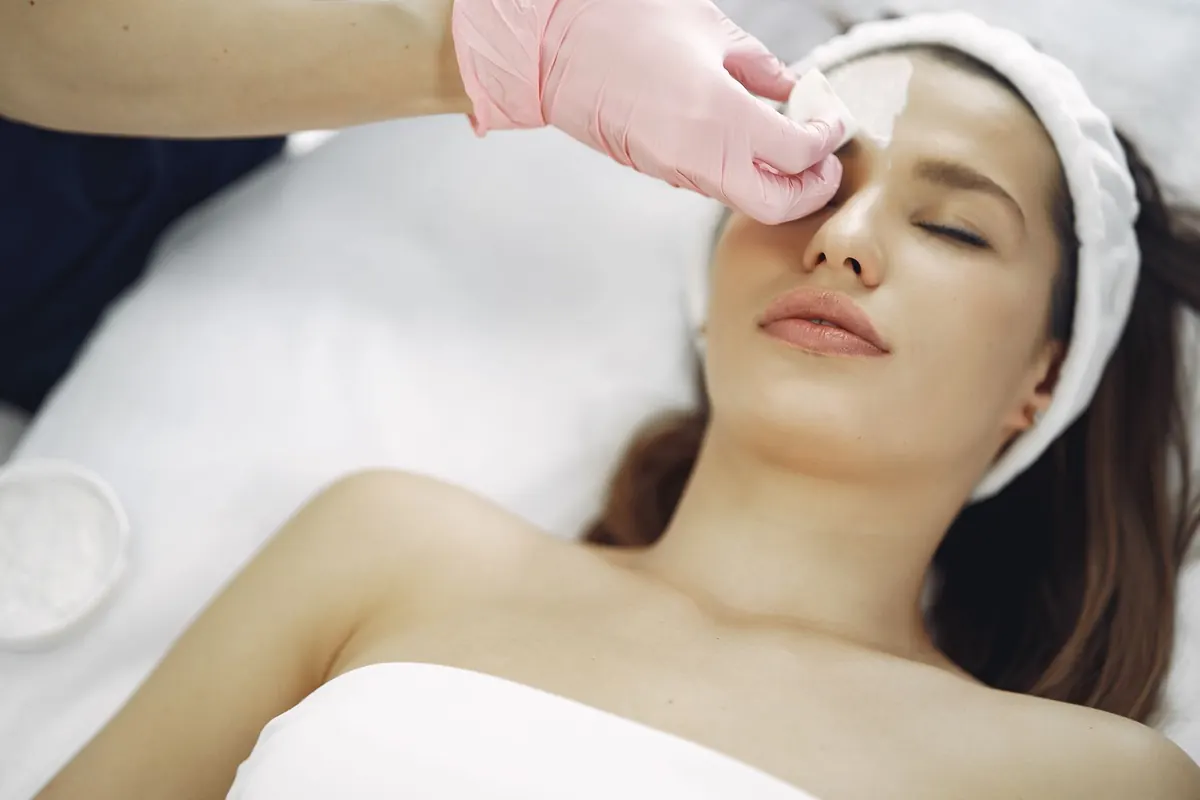
Exosomes offer a fundamentally different delivery mechanism. Because exosomes are membrane-bound vesicles, they protect their internal molecular payload from enzyme degradation in the skin. Upon application, they fuse directly with cell membranes, releasing microRNAs that actively suppress pro-inflammatory signaling pathways. Clinical observations show that clients receiving exosome-assisted microneedling experience significantly less downtime, reduced post-procedure redness, and faster barrier recovery compared to traditional PRP applications. For professionals and busy residents balancing active lifestyles in Roseville, Rocklin, and Granite Bay, this reduced downtime represents a key clinical advantage.
What Can You Safely Do at Home vs Professional Biostimulation?
At-home care should focus exclusively on supporting skin barrier repair using gentle hyaluronate hydrators, soothing peptide serums, and daily SPF. Professional microneedling with exosomes or PRP requires sterile, medical-grade equipment and precise depth control; attempting DIY microneedling or applying non-sterile growth factors at home carries severe risks of infection, scarring, and contact dermatitis.
It is common for clients to ask whether home cosmetic rollers or over-the-counter stem cell serums can replicate clinical outcomes. The clinical answer is straightforward: home devices and topical cosmetic serums operate on entirely different skin layers than professional medical aesthetics.
Home microneedling rollers typically feature short needles (0.1 mm to 0.25 mm) intended only to assist cosmetic serum absorption into the top layer of the epidermis. However, rolling needles at home creates non-uniform puncture tracks, tears delicate tissue, and risks dragging surface bacteria into the skin. Furthermore, true exosomes and clinical PRP require sterile micro-channeling to reach the upper dermis where fibroblast cells reside. Applying non-sterile, retail growth factor products over compromised skin can trigger severe inflammatory reactions, granulomas, or bacterial infections.
In a clinical setting, biostimulative therapies are performed under strict sterile technique. Automated, medical-grade microneedling pens utilize single-use, sterile needle cartridges with adjustable vertical penetration depths (ranging from 0.5 mm to 2.5 mm). This precision ensures micro-channels reach the exact depth needed to address fine lines, acne scarring, or generalized loss of elasticity while preserving epidermal integrity.
When Should You Choose PRP vs Exosomes for Your Skin Goals?
Choose PRP if you prefer a 100% autologous, natural treatment derived entirely from your own body and are comfortable with a routine blood draw. Choose exosome microneedling if you seek maximum growth factor potency, faster downtime reduction, advanced anti-inflammatory signaling, or if you prefer to avoid blood draws entirely.
Both modalities offer distinct clinical advantages depending on patient preference, skin condition, and medical history. Below is a side-by-side comparison of the core technical parameters defining microneedling with exosomes versus PRP:
| Clinical Parameter | PRP (Platelet-Rich Plasma) | Exosome Therapy (XoGlow™) |
|---|---|---|
| Biological Source | Autologous peripheral blood draw | Standardized, purified stem cell extracellular vesicles |
| Blood Draw Required? | Yes (venipuncture required at session start) | No (topical application from sterile clinic vials) |
| Growth Factor Concentration | Variable (dependent on patient age, health, and blood quality) | High & standardized (billions of targeted signal vesicles) |
| Post-Treatment Erythema | 24 to 72 hours of transient redness and swelling | 12 to 24 hours (rapid anti-inflammatory calming) |
| Primary Indication | Natural collagen maintenance, light anti-aging | Deep cellular renewal, sun damage repair, texture refining |
| Suitability for Older Skin | Moderate (limited by age-related platelet depletion) | High (consistent signaling potency regardless of patient age) |
Clients seeking targeted intervention for severe sun damage, environmental collagen degradation, or stubborn texture issues often obtain more consistent outcomes from exosome technology. For individuals who prefer autologous treatments without external laboratory processing, PRP remains a reliable biological option. During an in-person skin evaluation, our providers analyze your dermal health to guide the ideal recommendation.
XoGlow™ Microneedling with Exosomes at Marie Shelley in Roseville
At Marie Shelley Laser & MedSpa, our signature biostimulatory treatment is XoGlow™ microneedling in Roseville. This treatment combines precision automated micro-channeling with pharmaceutical-grade exosome isolates to deeply revitalize dull, depleted skin matrix without aggressive downtime.
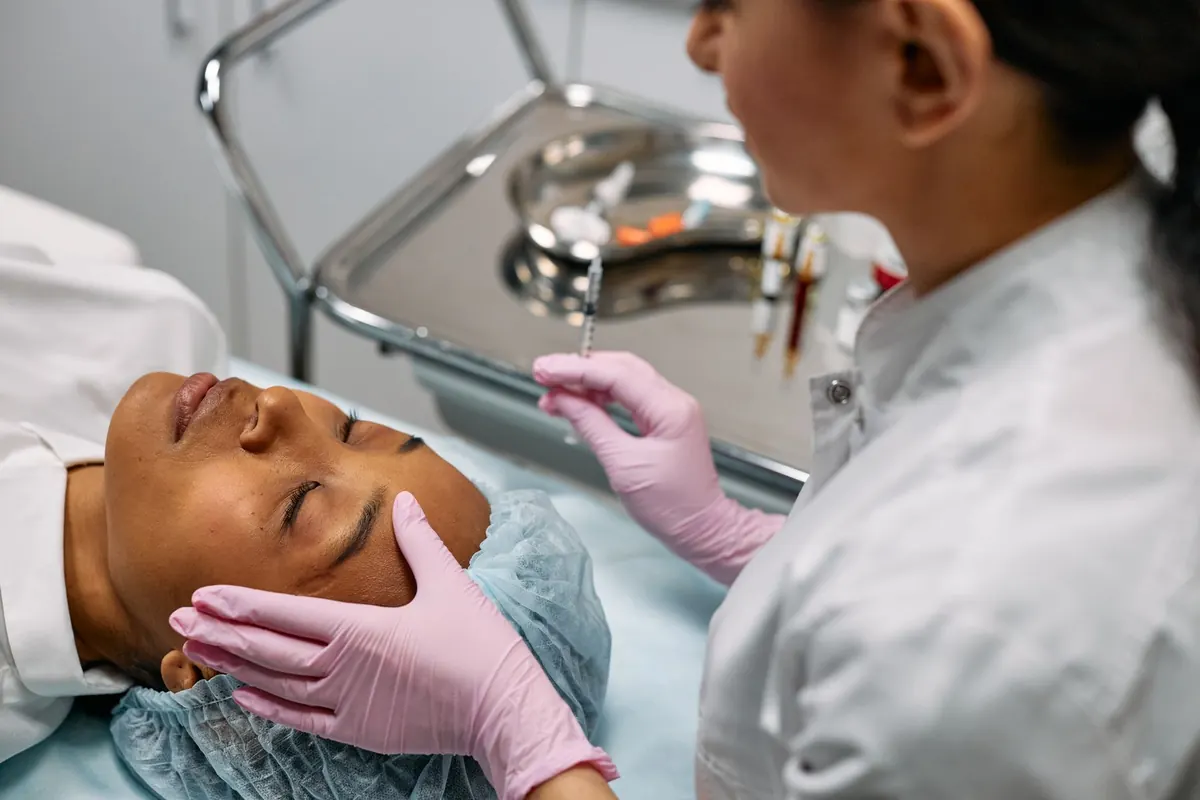
Every clinical procedure at our studio is executed by experienced Registered Nurses (RNs) operating under comprehensive protocols established by Medical Director Dr. Steven Freedman, MD. In strict compliance with California skincare regulations, all microneedling and regenerative topicals are delivered following stringent medical hygiene standards.
For clients seeking multi-modality restoration, exosome microneedling integrates seamlessly into comprehensive treatment plans. Combining cellular biostimulation with light-based resurfacing—such as The Glow Reset™ or deep pore purifying treatments like HydroLumé™—allows us to clear surface congestion while rebuilding structural density beneath the surface.
What Results and Timeline Are Realistic for Exosome Microneedling?
Visible skin refining after exosome microneedling typically begins within 7 to 14 days as surface hydration and cell turnover increase. Structural collagen building peaks between 4 to 12 weeks post-treatment, yielding smoother texture, firmer skin feeling, and diminished fine line depth after a series of 3 to 4 monthly sessions.
Understanding the physiological recovery timeline helps clients manage expectations and plan their skin maintenance effectively:
- Days 1–3 (Initial Healing Phase): Mild pinkness calms rapidly. Micro-channels close within hours. Exosomes actively suppress tissue inflammation and initiate intercellular communication.
- Days 4–14 (Epidermal Turnover Phase): Skin feels smoother and absorbs hydrating topicals more efficiently. Mild flaking may occur as old keratinocytes shed.
- Weeks 4–12 (Dermal Remodeling Phase): Activated fibroblasts produce new type I and type III collagen fibers. Elasticity improves, pore visibility softens, and underlying skin matrix gains structural firmness.
Because intense atmospheric heat accelerates dermal collagen breakdown, maintaining cellular skin health requires targeted care. Clients interested in preventing climate-induced aging can read our detailed guide on how heat affects collagen and treatments to rebuild it in Roseville.
The Roseville and Sacramento Valley Skin Rejuvenation Factor
Living in the Sacramento Valley exposes skin to distinct environmental stressors. Summers in Roseville, Citrus Heights, Lincoln, and Folsom regularly exceed 100°F, accompanied by high UV indices, dry seasonal air, and intermittent agricultural particulate exposure. These environmental conditions accelerate oxidative stress, leading to premature collagen breakdown, persistent redness, and hyperpigmentation.

Standard cosmetic creams often fall short against Valley climate strain because they remain on the skin's surface. Exosome microneedling overcomes this limitation by delivering anti-inflammatory messengers directly into the dermal layer. By reducing chronic low-grade inflammation caused by heat stress and solar radiation, exosome therapy restores cellular resilience and reinforces the skin barrier. Pairing exosome biostimulation with daily physical sunscreen protects your results against UV-driven pigment changes; read our expert tips in the sun damage prevention guide for Roseville clients.
Ready for Your Microneedling Consultation in Roseville?
Whether you are comparing microneedling with exosomes vs PRP to address fine lines, sun damage, or loss of skin firmness, the medical aesthetics team at Marie Shelley Laser & MedSpa is here to design a personalized treatment plan for your skin.
Visit our aesthetic studio at 720 Sunrise Ave, Suite 204 B, Roseville, CA 95661, call us directly at (916) 741-6772, or schedule your consultation online to begin your skin transformation.
Frequently asked questions
What is the main difference between microneedling with exosomes vs PRP?
The main difference between microneedling with exosomes vs PRP is the source and concentration of growth factors. PRP uses autologous plasma extracted from a blood draw, meaning growth factor quality depends on patient age and health. Exosomes are lab-purified vesicles containing standardized, highly concentrated growth factors and microRNAs, requiring no blood draw.
Is microneedling with exosomes better than PRP for aging skin?
Exosome microneedling is generally considered more potent for mature or sun-damaged skin because it delivers a consistent, high-density signaling payload regardless of the client's biological age. While PRP relies on existing platelet health, exosomes supply thousands of regenerative signals to actively stimulate fibroblast collagen production and speed barrier recovery.
How many exosome microneedling sessions will I need in Roseville?
Most clients achieving optimal skin renewal complete a series of 3 to 4 exosome microneedling sessions spaced 4 to 6 weeks apart. Initial texture improvements often appear within two weeks, while structural collagen remodeling continues to build over three to four months following your treatment course.
Does exosome microneedling require a blood draw?
No, exosome microneedling does not require a blood draw. Unlike PRP treatments which require venipuncture to process autologous plasma, exosome topicals are pre-formulated, purified laboratory solutions that are applied topically over micro-channels created during your microneedling session.
How should I prepare my skin before a holiday skin prep treatment in Roseville?
To prepare your skin for holiday skin prep treatments in Roseville, discontinue active exfoliants, retinoids, and direct acids 3 to 5 days prior to your session. Maintain strong skin hydration, wear broad-spectrum daily SPF, and avoid active sun exposure or tanning to ensure safe micro-channeling.
Sources
- American Academy of Dermatology — Microneedling Overview: What to Expect, AAD Clinical Guidance, 2024
- Journal of Cosmetic Dermatology — Exosomes in Aesthetic Medicine: Mechanisms and Clinical Applications, PubMed, 2021
- Aesthetic Surgery Journal — Platelet-Rich Plasma vs Extracellular Vesicles in Facial Skin Rejuvenation, ASJ / PubMed, 2020
- U.S. Food and Drug Administration — Regulatory Perspective on Regenerative Medicine and Exosome Products, FDA Consumer Health Information, 2023
Ready for your microneedling consultation in Roseville? Marie Shelley Laser & MedSpa offers expert aesthetic treatments at 720 Sunrise Ave, Suite 204 B, Roseville, CA 95661. Call us at (916) 741-6772 or book online.