How Long Does Botox Last, and When Should You Come Back?
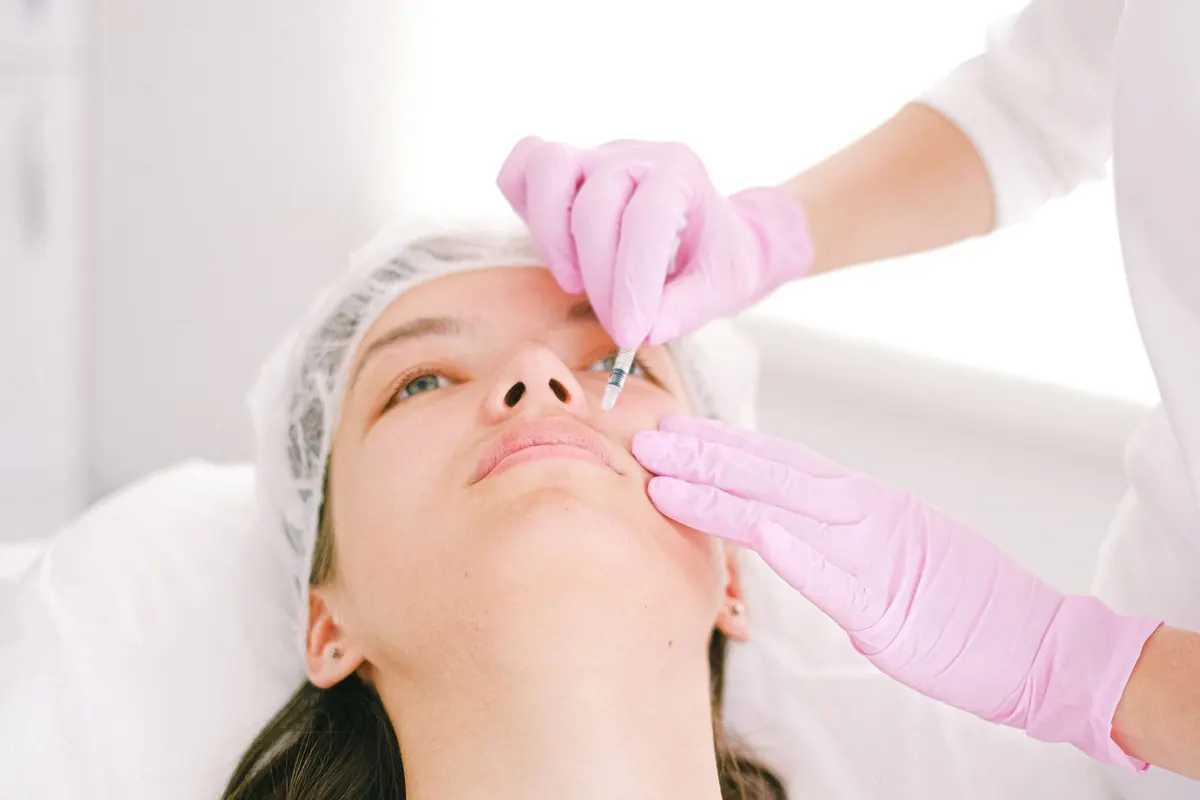
If you are noticing the gradual return of faint lines across your forehead or around your eyes, you are likely asking: How Long Does Botox Last, and When Should You Come Back? Dynamic facial wrinkles form from years of expressive muscle movement, and while neurotoxin injections relax those targeted muscle groups, the biological effect is inherently temporary.
For most clients, Botox typically lasts between three and four months before full muscle mobility returns. At Marie Shelley Laser & MedSpa in Roseville, we observe that individual longevity depends on personal metabolic rates, muscle strength, dosage, and post-care habits. Scheduling maintenance every 12 to 16 weeks helps maintain smooth results continuously.
What Is Botox and How Does It Stop Dynamic Wrinkles?
Botulinum toxin type A is a purified neurotoxic protein that temporarily blocks the release of acetylcholine, the chemical neurotransmitter responsible for signaling muscle contraction. When injected into targeted facial muscles—such as the frontalis across the forehead, the corrugator supercilii between the brows, or the orbicularis oculi surrounding the eyes—it prevents the overlying skin from creasing during facial expressions.
Over time, repetitive facial expressions compress the dermis, breaking down collagen and elastin fibers. This creates static lines that remain visible even when your face is completely relaxed. By dampening muscle movement, neurotoxin injections allow the skin time to smooth out while preventing deeper creases from establishing. In California, injections must be administered by qualified medical professionals. At Marie Shelley Laser & MedSpa, treatments are performed by a licensed Registered Nurse (RN) under the standardized protocol of our Medical Director, Dr. Steven Freedman, MD, adhering strictly to California skincare regulations.
How Long Does Botox Actually Last in the Skin?
For the vast majority of individuals, therapeutic neurotoxin treatments remain effective for 3 to 4 months. However, the duration is not a sudden drop-off; rather, it is a gradual biological recovery process as motor nerve endings form new terminals (a process known as nerve sprouting) to resume signaling to the muscle fibers.
The biological lifecycle of a typical treatment follows a predictable timeline:
- Days 3 to 7: Initial muscle relaxation begins, though full onset requires up to 14 days.
- Weeks 2 to 6: Peak paralysis and peak smoothing effect across the targeted area.
- Weeks 7 to 10: Micro-movements begin returning subtle mobility to the muscle tissue.
- Weeks 11 to 16: Muscle strength gradually returns to baseline, and surface creasing becomes visible again during active movement.
Why Does Botox Wear Off Faster for Some People?
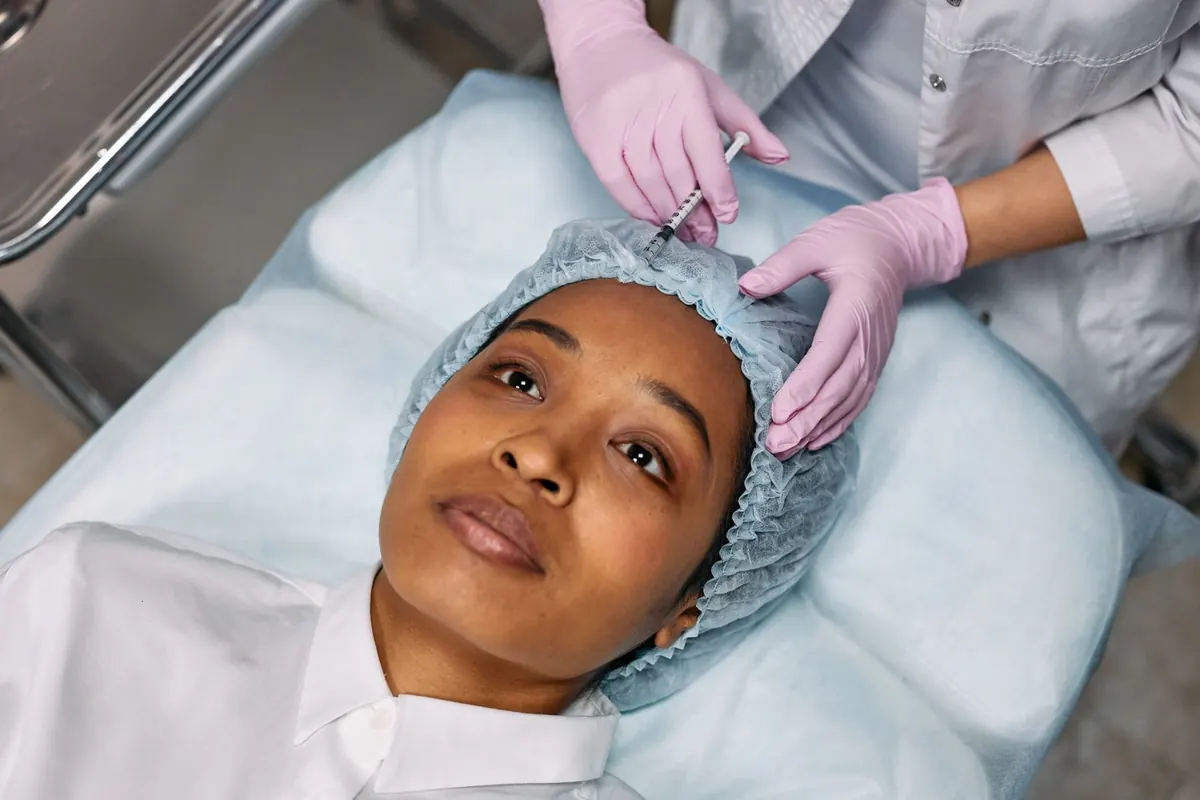
If your treatment seems to wear off closer to the two-month mark, individual biological and lifestyle factors are almost always responsible. Neurotoxins are metabolized by the body's cellular enzymatic pathways, meaning metabolic rate plays a dominant role in longevity.
Key biological and external variables influencing treatment duration include:
- Metabolic Rate & Physical Activity: High-intensity athletes, daily runners, and individuals with naturally fast metabolic rates often break down neurotoxins faster than sedentary individuals.
- Targeted Muscle Volume: Larger, stronger muscles (such as the masseters in the jaw or heavy glabella muscles) require higher units and often metabolize neurotoxin faster than delicate areas like the crow's feet.
- Dose and Concentration: Receiving fewer units than recommended for your muscle mass may yield initial smoothing, but the duration will be significantly shortened.
- Stress and Facial Habits: Chronic expression habits, unconscious squinting, or heavy jaw clenching keep facial muscles under constant stress, accelerating the return of movement.
Treatment Duration Comparison by Facial Zone
The following structured comparison illustrates average longevity across common treatment areas when appropriate clinical dosing is applied:
| Treatment Zone | Primary Muscle Group | Average Longevity | Recommended Dosing Approach |
|---|---|---|---|
| Glabella ("11 Lines") | Corrugator & Procerus | 3 to 4 Months | Standard therapeutic dose based on muscle mass |
| Forehead Lines | Frontalis | 3 to 4 Months | Balanced dose to prevent heavy brow feeling |
| Crow's Feet | Orbicularis Oculi | 2.5 to 3.5 Months | Precise shallow placements around delicate tissue |
| Jawline / TMJ | Masseter | 4 to 6 Months | Higher clinical dosage for larger muscle volume |
What Mistakes Can Cause Your Botox Results to Fade Early?
While cellular metabolism determines the base rate of decay, certain post-treatment actions can compromise the initial binding of the toxin to motor endplates or lead to inconsistent outcomes. Avoiding key post-procedure mistakes ensures your investment performs as intended.
To protect your results during the critical binding window, avoid these actions:
- Rubbing or Massaging the Face: Excessive pressure within the first 24 hours can cause the solution to migrate into adjacent unintended muscles.
- Strenuous Workouts within 24 Hours: Intense cardiovascular activity increases systemic blood flow and body temperature, which may elevate local metabolism before the protein binds fully.
- Under-Dosing for Cost Savings: Skimping on unit counts reduces the total inhibition of acetylcholine release, leading to early muscle recovery within 6 to 8 weeks.
- Ignoring Daily Sun Exposure: Ultraviolet radiation degrades skin matrix components like collagen and elastin, worsening static lines regardless of underlying muscle relaxation.
When Should You Book Your Next Botox Appointment?
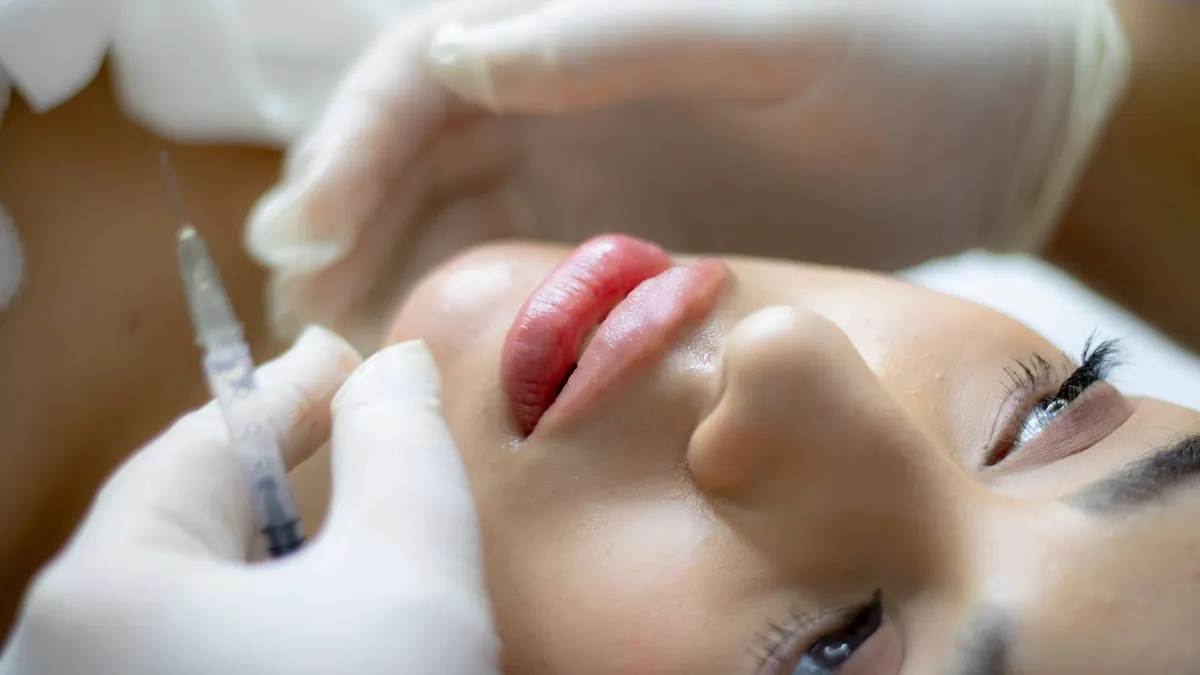
You should schedule your next treatment appointment when you notice approximately 20% to 30% of muscle movement returning to the target area, typically around week 12. Rebooking before full muscle strength returns prevents dynamic lines from deeply creasing the skin again, maintaining smooth results seamlessly.
Waiting until the muscle fully regains its pre-treatment strength allows dynamic folding to resume, which can undo the preventative collagen-sparing benefits of treatment. Consistent maintenance at regular 12-to-16-week intervals often trains the target muscles to relax over time, allowing some long-term clients to extend their time between appointments slightly.
Full Upper Face Botox at Marie Shelley Laser & MedSpa in Roseville
At Marie Shelley Laser & MedSpa, our clinical philosophy centers on natural facial harmony rather than frozen expressionlessness. When performing full upper face Botox in Roseville, our licensed providers perform a thorough visual assessment of your facial dynamics, measuring muscle pull during active frowns, smiles, and brow raises.
We specialize in treating the entire upper face as an integrated biomechanical unit, ensuring that eyebrow positioning remains natural while eliminating deep creases. For clients experiencing jaw clenching or seeking lower-face contouring, we also provide masseter Botox for TMJ relief and jaw slimming. While masseter treatment for bruxism and facial slimming is an off-label aesthetic application of botulinum toxin type A, it is widely utilized in clinical practice to reduce overactive masseter muscle volume safely.
When Is Botox Not Enough? Knowing When to Consider Other Aesthetic Treatments
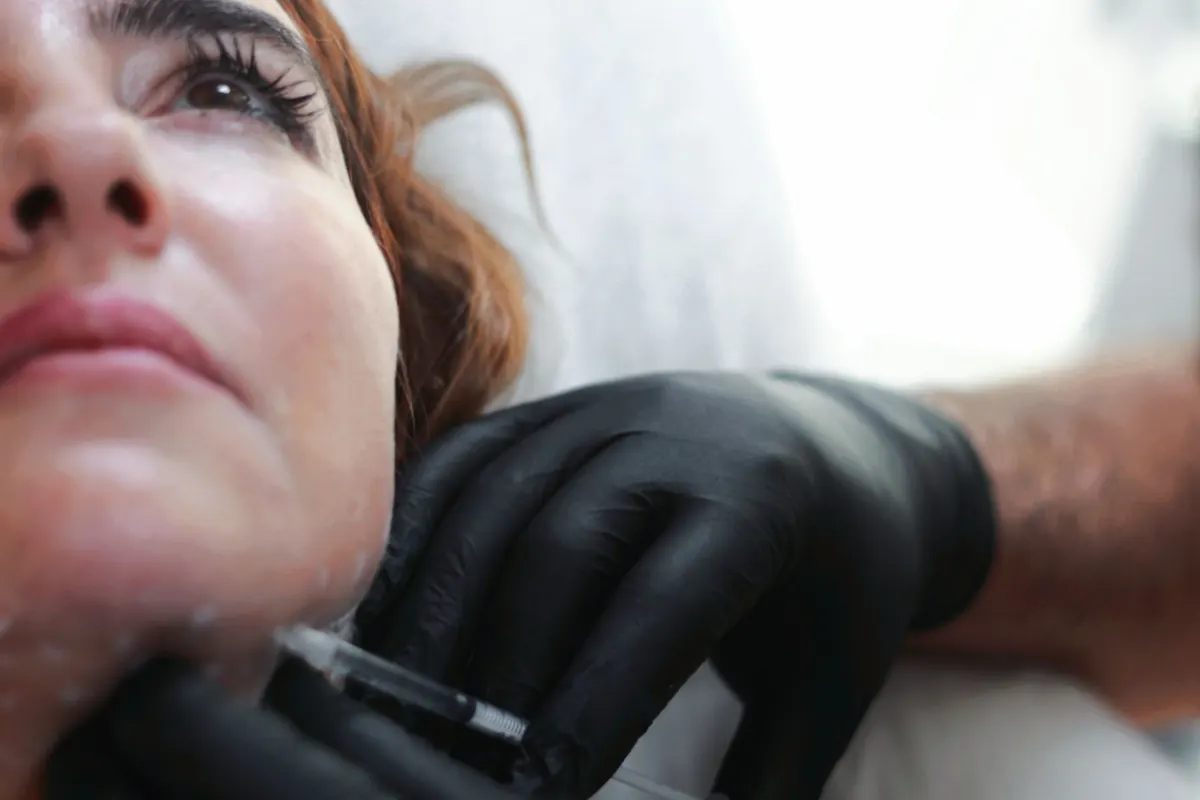
It is important to understand the biological limits of neurotoxins. Botox relaxes underlying muscle activity to address dynamic wrinkles; it does not replace lost soft tissue volume, tighten lax skin, or repair surface texture damage caused by chronic photoaging.
If you have deep, static creases that persist even when your facial muscles are completely relaxed, neurotoxin therapy alone will soften the lines over time but may not eliminate them entirely. In these cases, combining muscle relaxation with advanced skin rejuvenation modalities yields superior outcomes:
- Dermal Textural Loss: For generalized thinning or sun-damaged skin, combining neurotoxin care with skin therapies like rejuvenating treatment for worn-out skin helps stimulate structural collagen.
- Deep Photoaging & Heat Breakdown: High summer temperatures in Northern California accelerate extracellular matrix degradation. Understanding how heat affects collagen explains why laser skin toning or microneedling is often needed alongside injections.
- Pigmentation & Surface Tone: Neurotoxins do not alter skin pigmentation. Daily UV defense and targeted laser therapy remain essential for clearing dark spots and uneven tone.
When clients present with severe structural skin laxity, we provide honest clinical feedback and may recommend a consultation with a board-certified dermatologist or plastic surgeon if surgical intervention is the appropriate medical path.
The Sacramento Valley Factor: Climate, Lifestyle, and Botox Longevity
Living in Roseville, Rocklin, Granite Bay, and the broader Sacramento Valley presents environmental factors that directly impact skin aging and aesthetic maintenance. Summers in Placer County routinely reach 100°F+, prompting continuous outdoor activity, sun exposure, and habitual squinting.
Frequent squinting in high-UV environments exerts constant stress on the orbicularis oculi muscles, causing crow's feet to re-emerge faster if eye protection is ignored. Furthermore, residents who maintain active outdoor routines in local spots like Folsom Lake or the Miners Ravine Trail often have elevated metabolic rates, which can accelerate neurotoxin breakdown. Pairing regular treatments with robust UV protection—as outlined in our sun damage prevention guide for Roseville clients—is critical for preserving skin quality between visits.
Ready for Your Botox Consultation in Roseville?
If you are ready to address dynamic lines or set up a regular maintenance schedule, the team at Marie Shelley Laser & MedSpa is here to help. We provide personalized aesthetic consultations tailored to your unique facial structure, skin condition, and lifestyle goals.
Visit our Roseville studio at 720 Sunrise Ave, Suite 204 B, Roseville, CA 95661, or call us directly at (916) 741-6772. You can easily schedule your personal consultation online by visiting our appointment booking page.
Frequently asked questions
How long does anti-aging Botox last for Roseville residents?
Anti-aging Botox typically lasts between 3 and 4 months for most clients in Roseville. Factors like active outdoor lifestyles, high metabolic rates, and summer heat exposure can cause the body to metabolize neurotoxins faster, requiring touch-ups around the 12-week mark.
Does Botox last longer the more often you get it?
Many clients find they can stretch the interval slightly over time. When a muscle is relaxed consistently, it tends to weaken, so less movement returns between appointments. This varies by person and by muscle group, which is why we reassess your timing at every visit instead of assuming a fixed schedule.
What happens if you wait too long between Botox appointments?
Nothing harmful happens, but you lose ground. Once movement fully returns, the muscle regains its original strength and the lines you were softening begin creasing again. Most clients book before results disappear completely, so the muscle stays partially relaxed between visits rather than starting over each time.
Can I exercise right after my Botox injection?
You should avoid high-intensity exercise and heavy sweating for at least 24 hours following your injection. Elevated heart rate and systemic blood flow can increase localized swelling and potentially cause the neurotoxin to migrate away from the targeted muscle zones.
Will my wrinkles look worse if I stop getting Botox?
No, your wrinkles will not look worse if you discontinue treatment. As the neurotoxin wears off, your facial muscles gradually resume normal contraction, and your skin slowly returns to its baseline pre-treatment state over several months.
Sources
- American Academy of Dermatology — Botulinum Toxin Overview and Procedure Expectations, AAD Guidelines, 2023
- National Center for Biotechnology Information — Duration of Action of Cosmetic Neurotoxins: A Clinical Review, Journal of Clinical Aesthetic Dermatology, 2021
- U.S. Food and Drug Administration — FDA Approved Regulatory Information for Botox Cosmetic, FDA.gov, 2022
- American Society for Dermatologic Surgery — Neuromodulators for Facial Rejuvenation and Wrinkle Reduction, ASDS Patient Guides, 2024
Ready for your Botox consultation in Roseville? Marie Shelley Laser & MedSpa offers expert aesthetic treatments at 720 Sunrise Ave, Suite 204 B, Roseville, CA 95661. Call us at (916) 741-6772 or book online.